“Oriental massage” is one of those phrases you see everywhere in London, on shopfronts in Chinatown, on spa menus in Covent Garden and in search results when you look for somewhere to unwind after work. Yet it rarely comes with an explanation. This guide sets out what the term usually means, how the main Asian massage traditions differ, and what to ask before you book a session, so you know what you are choosing rather than guessing from a name.
What is an oriental massage?
An oriental massage is not one single technique. It is an umbrella term, mostly used in the UK and Europe, for massage styles that come from East and South-East Asia, such as Chinese tui na, Japanese shiatsu, Thai massage and Balinese massage. Some people now find the word “oriental” dated and prefer “Asian massage”, and you will see both used for the same thing.
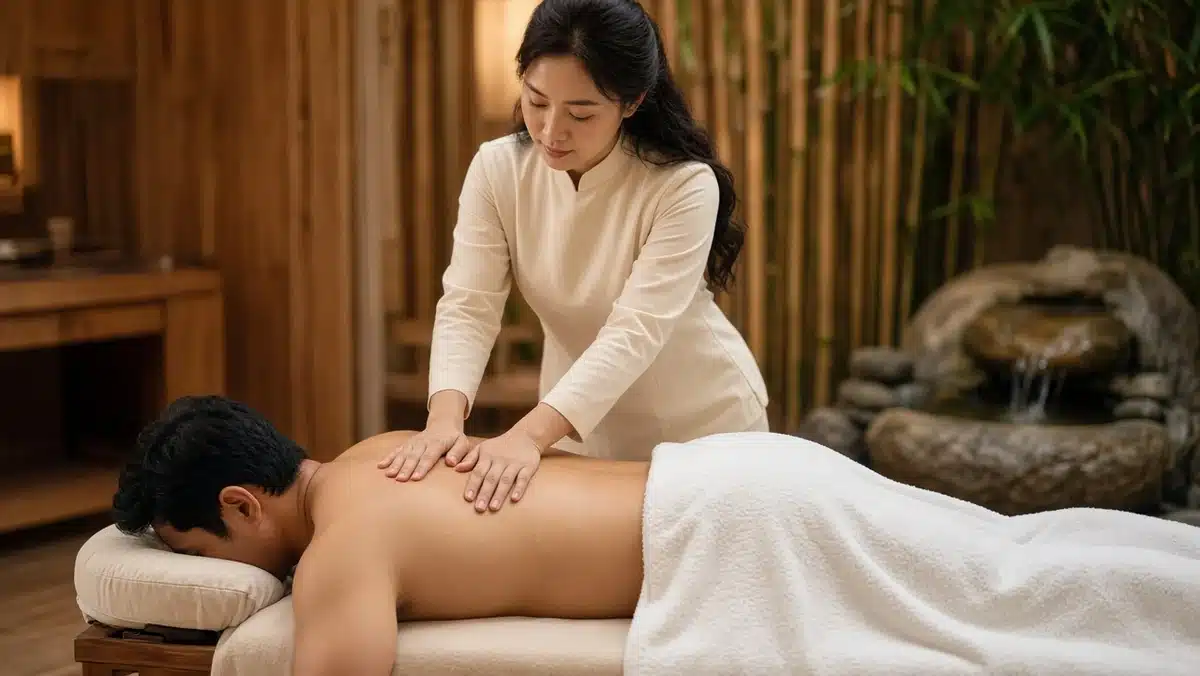
What these traditions tend to share is an emphasis on rhythm, steady pressure and calm, unhurried pacing rather than quick, light strokes. Many use thumbs, palms, forearms and sometimes elbows to apply pressure, and several work with the body fully clothed. Beyond that, they differ quite a lot, which is why it pays to know the main styles.
The main styles you will come across
Chinese tui na
Tui na (roughly “push and grasp”) is rooted in the theory of traditional Chinese medicine. Practitioners use pressing, kneading, rolling and grasping movements along lines and points described in that tradition. It is often done through light clothing or a sheet, can feel firm and brisk, and is usually focused on specific areas such as the back, neck and shoulders rather than a slow, flowing full-body routine.
Japanese shiatsu
Shiatsu means “finger pressure”. It developed in Japan in the twentieth century and is traditionally given on a padded mat on the floor, with the client wearing loose, comfortable clothes. The practitioner leans their body weight through thumbs and palms in a sustained, rhythmic way, sometimes adding gentle stretches. No oil is used.
Thai massage
Traditional Thai massage, known in Thailand as nuad thai, was added to UNESCO’s list of intangible cultural heritage in 2019. It is usually performed on a floor mat with the client clothed, and combines rhythmic compressions with assisted stretches, where the practitioner moves your limbs into positions you would struggle to reach alone. It can feel active and is quite different from lying still on a couch.
Balinese massage
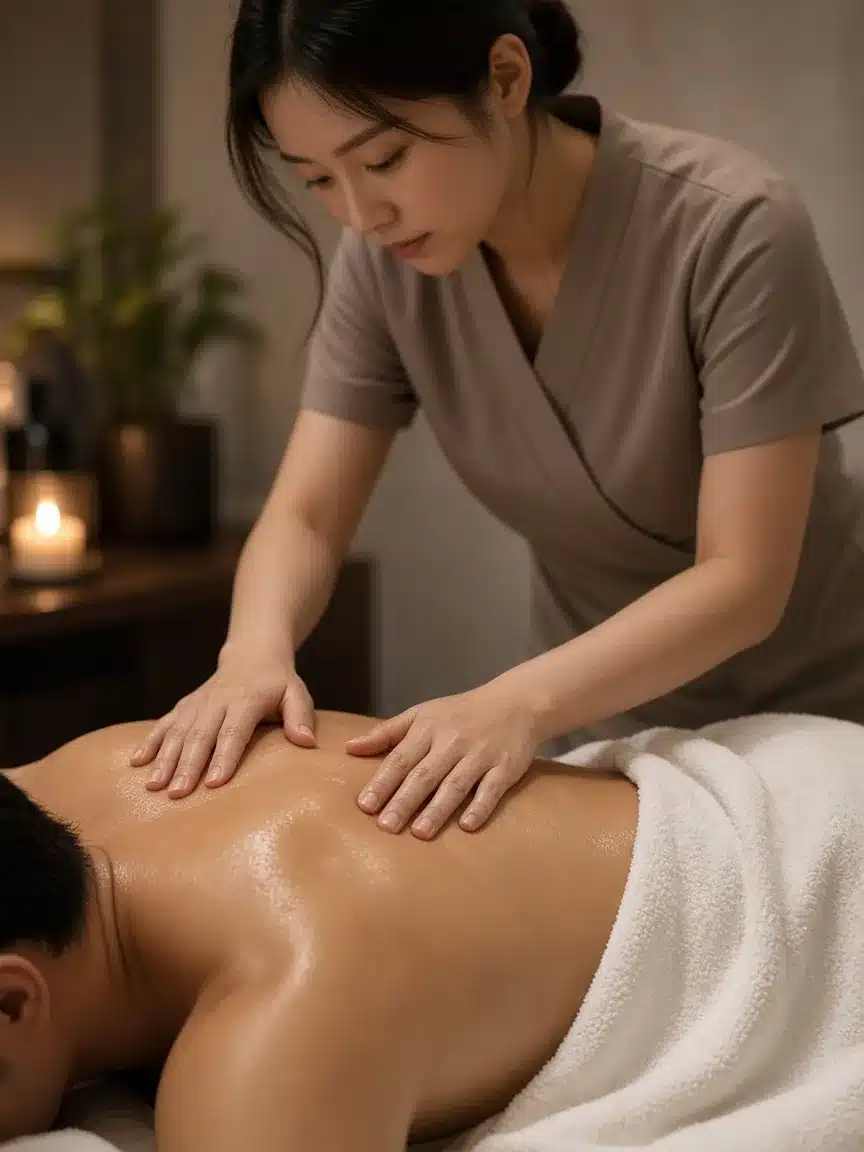
Balinese massage, from Indonesia, sits closer to what many Londoners picture when they think of a spa treatment. It is normally done on a massage table with aromatic oil, and blends long flowing strokes with acupressure-style pressure and gentle stretching. You undress to your comfort level and are covered with towels throughout.
How an oriental massage differs from a Swedish or deep tissue massage
Western styles such as Swedish massage were built around long gliding strokes with oil on bare skin, and deep tissue work focuses on slow, firm pressure into particular muscles. If you are weighing those two up, our guide to deep tissue vs Swedish massage explains the difference.
Asian traditions overlap with both, but there are some practical differences worth knowing:
- Clothing: tui na, shiatsu and Thai massage are often given clothed; oil-based styles such as Balinese are not.
- Surface: some styles use a floor mat rather than a raised table.
- Movement: Thai massage in particular involves stretching and repositioning, so it feels more active.
- Pressure: pressure is often sustained rather than gliding, using thumbs and palms on specific points.
- Pace and atmosphere: many sessions end with a quiet pause, and some places offer tea afterwards, which is part of the appeal for a lot of clients.
Why “oriental massage” means different things in London
In London the phrase is used loosely. A Chinatown clinic might use it for firm, clothed tui na. A West End studio might use it for a relaxing oil massage given by an Asian therapist. Other studios use it for sensual sessions that are far removed from any traditional style. None of these is “wrong”, but they are very different experiences, so the label alone tells you little.
The practical answer is to read the description of the session, not just its name, and to ask. A reputable studio will happily tell you what a session involves, whether oil is used, what you will be asked to wear and how long it lasts, before you commit.
Questions to ask before you book
Whether you are booking a traditional treatment or a more relaxing studio session, these questions save confusion on the day:
- Which style or type of session is this, and what does it involve from start to finish?
- Is it given on a table or a mat, and will oil be used?
- What should I wear, and is there somewhere to shower or freshen up?
- How long is the session, and what is the total price for that length?
- Can I ask for lighter or firmer pressure, or for areas to be avoided?
- Is it incall (you visit the studio) or outcall (the therapist travels to you)?
It also helps to be clear about your own preferences and boundaries from the start, and to expect the same respect in return. Our guide to massage etiquette in London for first-time clients covers consent, hygiene and what is expected of both sides.
Is an oriental massage right for you?
Most people book an Asian-style massage simply to switch off, enjoy an hour of quiet and come away feeling more relaxed. A few sensible points apply to any massage, though:
- If you are pregnant, have a recent injury, a skin condition or an ongoing health condition, check with your GP or another health professional before booking a hands-on treatment.
- Tell your therapist about anything that might affect the session, such as a sore back, allergies to oils or areas you would rather were left alone.
- Pressure-based styles should never be painful. Firm is fine; if something hurts, say so straight away.
- Avoid a heavy meal or alcohol just before your appointment, and arrive a few minutes early so you are not rushed.
Booking an oriental massage near Charing Cross
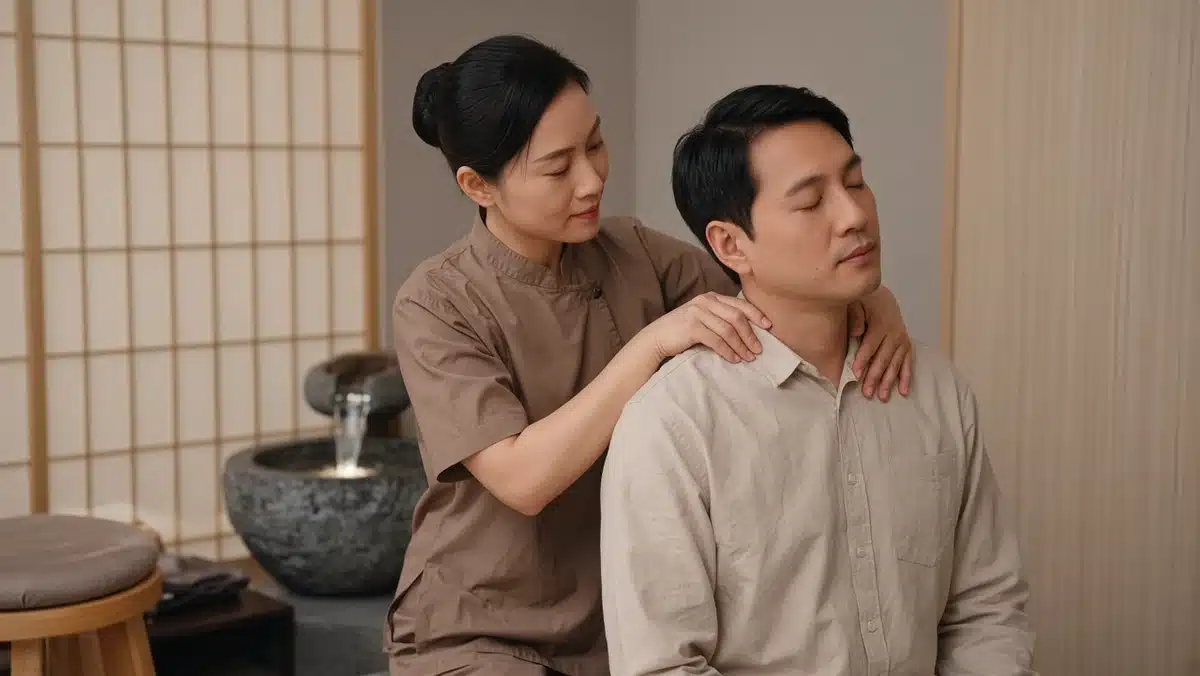
Oriental Massage London is an incall studio near Charing Cross in Central London, a short walk from Trafalgar Square, Covent Garden and Leicester Square. We are open from 10am to 2am every day, which makes it easier to fit a session around work, a show or a late dinner in the West End.
If you are new to Asian-style massage, read our guide on what to expect from an Asian massage in London, then have a look at the sessions on our Oriental Massage London homepage. When you get in touch, ask us any of the questions above: we will explain what your chosen session involves, how long it lasts and the price before you confirm.
To arrange a time, call or WhatsApp us on 07424 958737, or use our online booking page.
Frequently asked questions
Is oriental massage the same as Thai massage?
Not exactly. Thai massage is one type of oriental (Asian) massage. The broader term also covers Chinese, Japanese, Indonesian and other traditions, each with its own techniques.
Do I have to undress for an oriental massage?
It depends on the style. Tui na, shiatsu and traditional Thai massage are usually given clothed. Oil-based sessions mean undressing to your comfort level, with towels used to keep you covered. Ask when you book if you are unsure.
How long does an oriental massage last?
Many places offer sessions of around 60 minutes, with shorter and longer options available. Check the length and total price when you book so there are no surprises.
Is an oriental massage the same as a sensual massage?
No. Traditional Asian massage styles are relaxation or bodywork treatments. Some London studios use the word “oriental” for sensual sessions too, which is why reading the session description and asking questions before you book matters. If you are curious about how those session types differ, see our guide to sensual, erotic and tantric massage in London.