If you are planning your first treatment, knowing what to expect from a thai massage helps ensure you feel completely relaxed and prepared before stepping into the studio. Traditional Thai massage is an active, dynamic bodywork system that combines rhythmic compression along energy channels, gentle joint mobilisations, and assisted yoga-style stretches to relieve soft tissue tension throughout the entire body without relying on heavy oils.
Oriental Massage London is a private incall studio located near Charing Cross Station in WC2N, offering professional bodywork treatments in a discreet and welcoming environment. Our experienced female therapists welcome male guests and visitors from across the capital for 60, 90, or 120-minute sessions daily from 10am to 2am, alongside a mobile outcall service across Central London. To make an enquiry or reserve an appointment, call or WhatsApp our team on 07424 958737.
Key takeaways
- Fully clothed treatment: Unlike standard Western oil massages, Thai bodywork is performed while wearing light, flexible clothing.
- Interactive bodywork: Expect a dynamic blend of passive stretching, rhythmic palm pressure, and targeted joint mobilization.
- Customised intensity: Pressure can be tailored from gentle, soothing compressions to deep structural tension release.
- Central London convenience: Sessions are available at our private studio moments from Charing Cross Station or delivered directly via mobile outcall.
What to expect from a Thai massage: a step-by-step walkthrough
A traditional Thai session differs noticeably from standard table treatments. Understanding how a typical appointment unfolds from your arrival to completion ensures a smooth and reassuring experience.
Before the session: consultation and comfort check
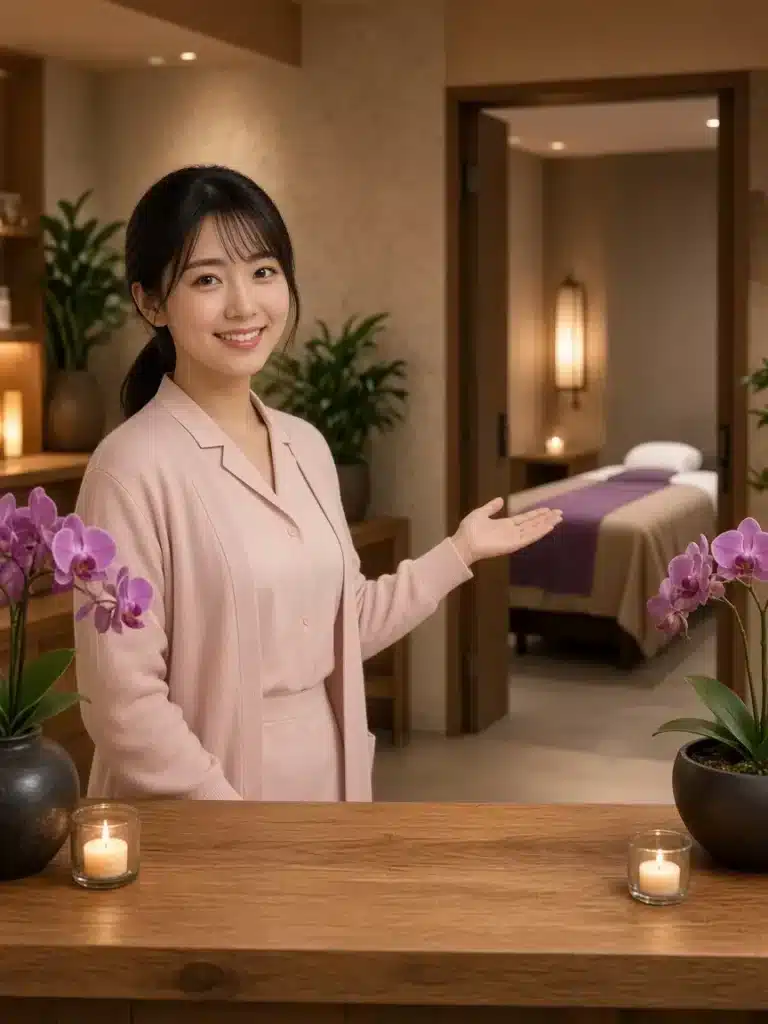
Upon arriving at our central London studio near Charing Cross, your therapist will warmly greet you and conduct a brief initial consultation. This conversation covers your current physical condition, main areas of muscular tight spots, and any joint stiffness you wish to target. Discussing your expectations beforehand forms an important part of first-time massage etiquette and boundary setting, ensuring your therapist understands your preferred pressure levels and physical comfort before treatment begins.
During the session: rhythmic compression and assisted stretches
When you are ready, you will settle onto a broad treatment surface. An authentic Thai massage session systematically works through the body, usually starting at the feet and lower limbs before moving upward towards the hips, back, shoulders, and neck. Your female therapist uses her palms, thumbs, forearms, and knees to apply firm, steady pressure along key muscle groups. Throughout the treatment, she will guide your limbs into passive positions, carefully stretching your hamstrings, back muscles, and shoulders to lengthen tight tissues.
After the session: grounding, hydration, and feedback
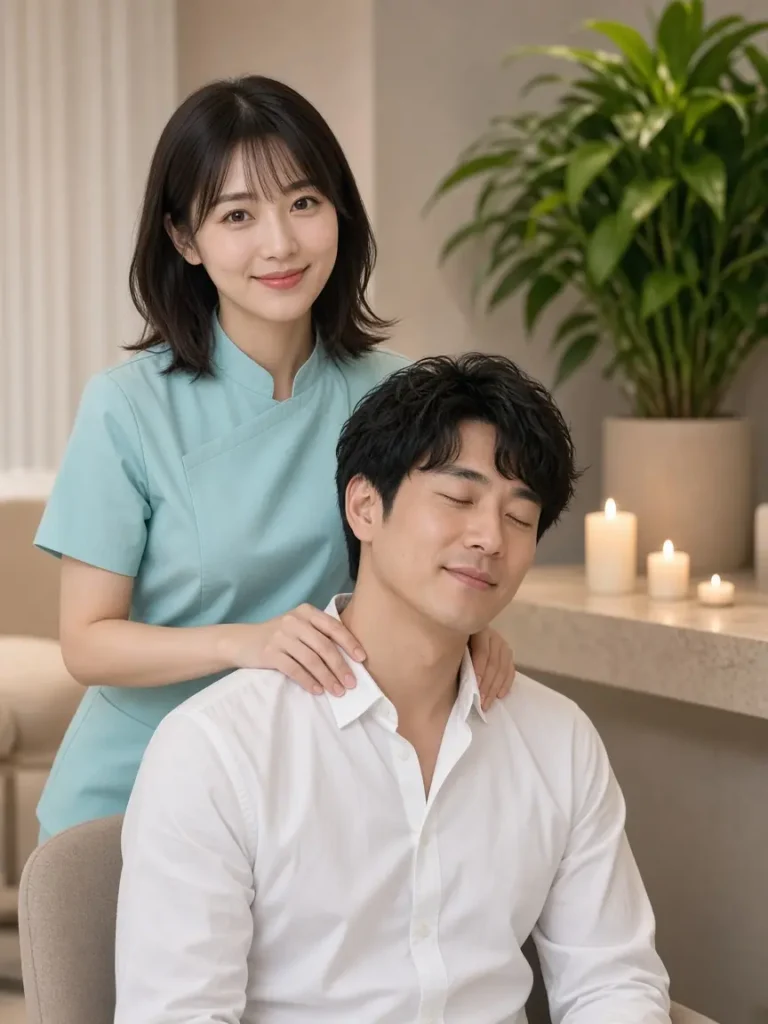
As the bodywork finishes, your practitioner will end with gentle compressions across the shoulders, neck, and scalp to assist mental clarity and grounding. You will be given quiet time to sit up gradually, sip a glass of fresh water, and collect your belongings. Drinking water post-session helps support hydration and physical recovery. Your therapist will check how your muscles feel and offer brief advice on flexibility maintainence or focus areas for future appointments.
What techniques are used during traditional Thai massage?
Traditional Thai bodywork relies on a established system of physical techniques developed over centuries. Rather than using long sliding strokes over unclad skin, practitioners apply controlled weight and movement through clothing to stimulate blood flow and ease musculoskeletal tightness. According to general principles of massage therapy, systematic manipulation of soft tissue aids physical recovery and joint freedom.
Key manual techniques utilised during your appointment include:
- Palming and thumb pressing: Rhythmic, localized pressure applied along energy lines (Sen lines) to break down muscular stiffness.
- Assisted stretching: Carefully held positions that extend tight hamstrings, hip flexors, lower back structures, and chest muscles.
- Joint mobilisation: Gentle rotational movements applied to ankles, hips, wrists, and shoulders to restore range of motion.
- Bodyweight leverage: Therapists strategically use forearms, elbows, knees, or feet to apply balanced force across broad muscle groups.
This dynamic application of manual therapy techniques helps address chronic tension brought on by long working hours at office desks or walking around the city.
Mat vs massage table: understanding the setup
First-time clients often inquire about the physical arrangement of a Thai session. Traditionally, sessions take place on a wide, firm padded mat placed on the floor. This floor setup provides maximum stability, allowing the therapist to move comfortably around your body and apply leverage during stretches without space constraints.
However, modern practices often adapt these techniques for treatment tables. Table-based Thai sessions employ similar compressions and gentle limb positioning while accommodating guests who prefer easier mounting or have specific mobility considerations. At our central London studio near Charing Cross, our practitioners can adapt the setting to ensure you feel entirely comfortable.
Do you stay dressed during a Thai massage?
Yes, clients remain dressed throughout a traditional Thai appointment. Because the work relies on direct compressions and movement rather than surface sliding friction, wearing clothing allows smooth, continuous stretching without compromising personal modesty.
You can wear your own comfortable gym clothes or soft cotton garments. Loose trousers and a light top permit full range of movement when your therapist lifts, bends, or rotates your limbs. For detailed advice on choosing ideal fabrics and outfits, explore our dedicated guide on what to wear to a massage appointment.
How Thai massage compares to Swedish and deep tissue styles
To choose the best service for your wellness goals, it helps to consider how what to expect from a Thai massage differs from Western table modalities. While Western styles primarily involve oil application and continuous gliding strokes on target muscles, Thai bodywork is more kinetic, structured, and interactive.
You can read our comprehensive comparison between Swedish and deep tissue treatments to learn how oil-based options function. The comparison below highlights the primary differences:
| Feature | Traditional Thai Massage | Swedish & Deep Tissue |
|---|---|---|
| Clothing | Fully dressed in loose attire | Undressed to comfort (draped) |
| Oil Usage | Dry treatment (no oil used) | Uses massage oils or lotions |
| Surface | Firm floor mat or wide table | Standard elevated table |
| Client Role | Interactive assisted stretching | Passive relaxation |
| Focus | Flexibility, joint mobility, posture | Direct muscle knot release, surface easing |
How to prepare for your Thai massage in central London
A few simple preparations will help you get the most out of your visit, whether you are coming directly from an office in Soho or taking a break from sightseeing around Covent Garden, Trafalgar Square, or the Strand.
What to wear for maximum flexibility
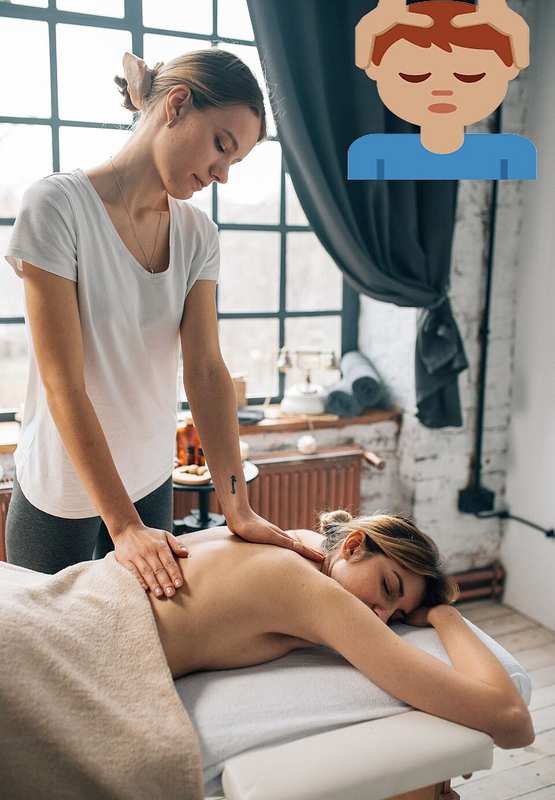
Choose flexible, soft clothing such as sweatpants, leggings, or loose shorts combined with a comfortable cotton shirt. Avoid stiff garments such as thick denim, tight belts, or collared shirts, as these restrict full joint movement during assisted stretching postures.
Timing, meals, and hydration before your visit
Because Thai bodywork involves stomach compressions and gentle torso twists, try to avoid eating heavy meals for 60 to 90 minutes before your scheduled appointment. Arrive well-hydrated, and aim to reach our studio five to ten minutes early so you can relax, settle in, and discuss your physical focus areas with your female therapist.
Please note: If you have severe spinal conditions, joint replacements, acute inflammation, or recent physical injuries, please consult your GP or a qualified physiotherapist prior to booking manual therapy.
Experience authentic Thai bodywork near Charing Cross
Situated in WC2N, Oriental Massage London provides a calm, quiet, and professional setting in Central London. Located within easy walking distance of Charing Cross Station, Leicester Square, Westminster, and Embankment, our private studio serves local professionals, hotel guests, and London residents seeking efficient muscle relief.
Our dedicated female therapists excel at tailoring every 60, 90, or 120-minute session to match your personal flexibility and pressure requirements. Whether you are looking for soft joint release or dynamic muscle lengthening, our team provides a high standard of professional care. Male guests are warmly welcomed to book an incall appointment at our private studio or request an outcall service delivered directly to their Central London address.
Frequently asked questions
Is Thai massage painful or intense?
Thai massage should feel thoroughly relaxing and physically satisfying rather than painful. While pressuring stubborn tissue knots can feel firm, your therapist will always adjust force to stay within your personal comfort zone. Simply speak up if a movement feels too intense.
Do I need to be flexible to enjoy a Thai massage?
You do not need prior flexibility. Your practitioner modifies every movement to respect your body’s natural range of motion. Over successive appointments, assisted stretching can naturally improve your overall joint flexibility and ease tightness.
How long should a Thai massage session last?
A 60-minute session covers major muscle areas effectively. However, selecting a 90 or 120-minute appointment gives your therapist sufficient time to systematically work through the whole body while allowing deeper, longer stretches.
What should I do if a stretch feels too deep during the appointment?
Inform your therapist immediately. She will reduce the force or modify her positioning right away. Open communication ensures your treatment remains completely comfortable, safe, and effective.
Book your Thai massage near Charing Cross
To experience the renewing benefits of professional Thai bodywork, reserve your session with Oriental Massage London today. Call or text us on 07424 958737, send a message on WhatsApp, or use our simple online booking page to choose your time. Our private incall studio near Charing Cross Station is open daily from 10am to 2am, with mobile outcalls available across Central London.